
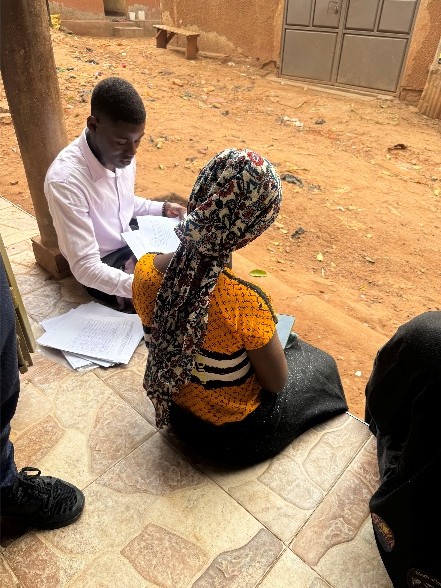
We collaborated with peer researchers (PRs) during data collection. These were young people, both male and female, aged 18-24, living in the districts where the study took place. Their education levels ranged from advanced university students to those in vocational training. Working with PRs had some benefits. While they gained several advantages from participating in the study, they also encountered challenges, which are discussed later in this article.
Why Work with Peer Researchers?
- Geographical knowledge of places. Being part of these communities, PRs easily navigated the areas while recruiting study participants, making transportation cheaper since they worked within their home districts.
- Ability to speak local languages. PRs knew the local languages in the communities, which helped in building rapport and completing consent. They could also interpret survey questions for respondents easily.
- Easily connected with fellow youths. PRs being in the same age group with study respondents, it was easy for them to socially connect, therefore, made completing consent smoother.
“I gained experience in data collection…” How This Research was Beneficial to the Peer Reasearchers
- Learning about research in solving societal problems. PRs learnt about what research means, and appreciated its value in solving problems within the community.
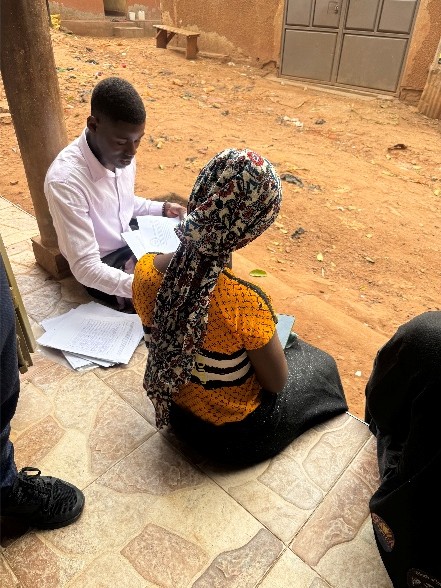
- Gained skills in data collection. PRs learnt practical and relevant skills in data collection. This included consenting, administering the tool, mobilisation of participants and providing feedback about the process.
- Earned income. PRs were provided with a modest per diem for participating in data collection which improved their economic wellbeing.
- Became aware of the different forms of violence faced by fellow youth. Through the training and data collection, the PRs became aware of various forms of violence including online sexual violence, physical violence and psychological abuse.
- Teamwork. PRs learnt how to work in teams from diverse backgrounds to achieve a common goal. Teams were composed of males, females, University students, high school students, Christians, Muslims and different ages between 18 -24 years. Irrespective of such differences, they closely worked together to ensure that the sample size was achieved.
| Voices from Peer Researchers “After completing the survey questions, myself, my eyes were opened and I become aware of the various forms of violence faced by young people in dating relationships especially on digital platforms that I was not taking serious.” PR “I learnt how to work better with a team of people.” PR “I learnt to be more open, how to solve my problems and those of others. I have learnt more about my rights as a girl. I have also learnt how to handle different situations and people’s character.” PR “I gained experience in data collection. I had to be pragmatic especially when participants could not read. I realized that data collection is not as smooth as we tend to think it is during the writing of the proposal, it is not straight forward.” PR |
Challenges Faced by Peer Researchers
Data collection can pose various challenges even to the most experienced researchers, below are some of the problems faced by PRs during data collection.
- Long distances in rural areas made data collection difficult, as it required traveling far to find households for the study.
- Unwillingness of some respondents to complete the tool. Some respondents stopped halfway through the tool citing it was too long. “Being open to the participants by letting them know that it would take them some time to complete the questionnaire was useful in that it prepared them psychologically. The compensation also helped a lot; It provided motivation for completing the tool.” A peer researcher narrated.
- Refusals as a result of mistrust from some people/parents. Some parents did not welcome the study, thus, did not provide consent for their children to take part.
- Nervousness. Some peer researchers felt nervous about engaging in data collection despite learning a lot from the training. This was the case especially with the first respondent as noted by a peer researcher: “After explaining to my first respondent and she refused to participate in the survey, I politely requested for feedback, “what was I doing wrong?”. I asked her. She told me my voice was shaky and it felt like I was not conversant with what I was explaining. This helped me gain confidence and helped me calm down. From that moment, almost all other interviews became successful.”
In conclusion, involving peer researchers in data collection under the INIFIRES study was a great step in ensuring the study was participatory. This empowered the community to engage in research about matters affecting them.


Leave a Reply