
In the early months of 2026, our team in Uganda set out on a journey: not just across districts and dusty roads, but into the everyday lives, hopes, and challenges of young people navigating relationships. INIFIRES Work Package 2 is the data collection phase of the project.
This was our chance to listen deeply before we began building something new: a digital game designed to support young people in recognising and building healthy, nonviolent relationships.
What followed was a whirlwind of training days, community visits, laughter, long conversations, and the kind of insights you only gain when people trust you enough to share their world.
Laying the Foundations
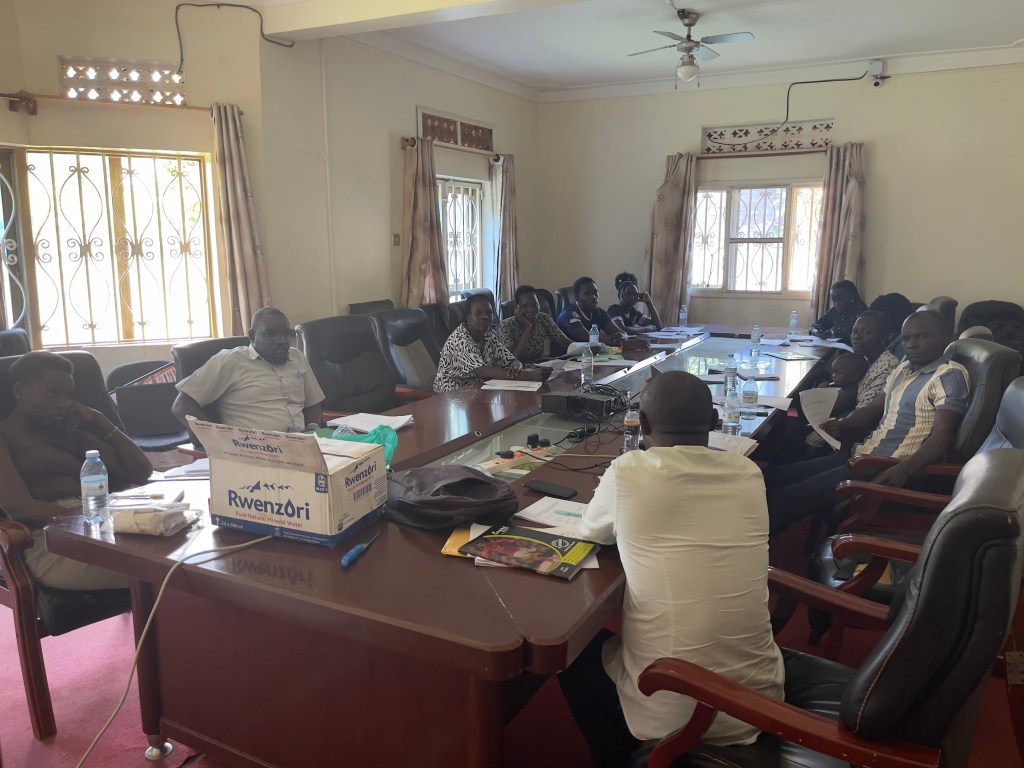
Before a single survey could be completed or interview recorded, we needed a team ready for the task. Over two days, research supervisors and assistants gathered, some who were meeting for the first time, to learn about the project’s purpose and the sensitive issues we would be discussing. We role-played difficult conversations, tested out our questions, and explored what ethical practice really looks like when working with young people.
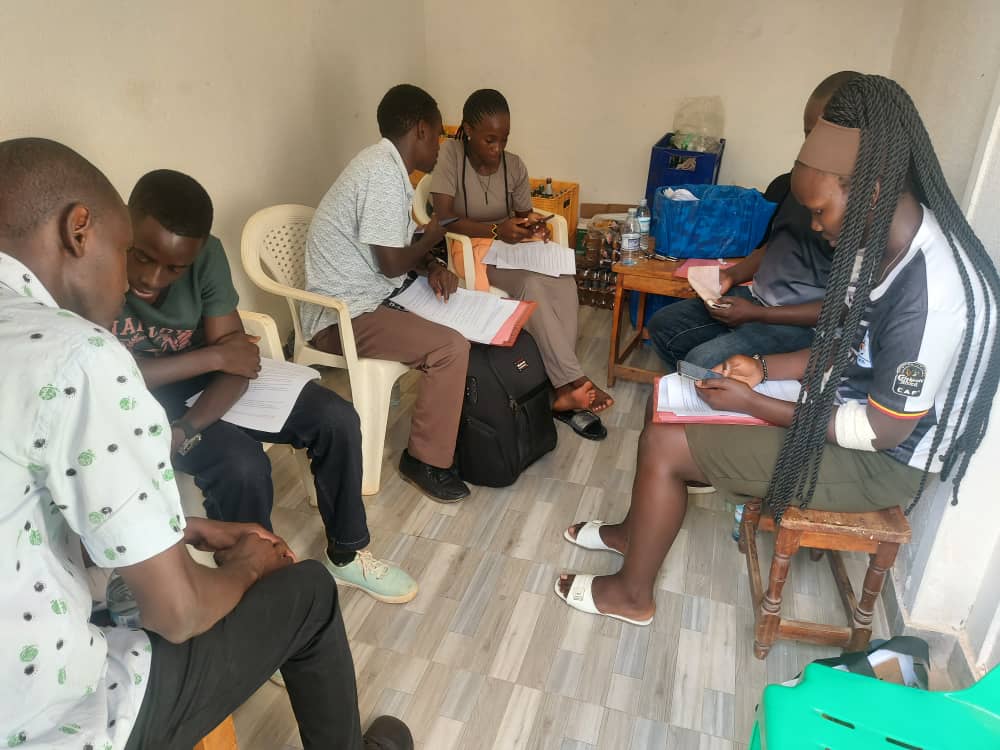
But perhaps the most exciting part of this preparation was welcoming a new group of locally based youth researchers onto the team. These were young people aged 15–24 from the very districts we were studying: Kampala, Wakiso, Masaka, Nakasongola, Gulu, Lira, Amuru and Dokolo. Their presence brought an immediate sense of authenticity and connection.
Over their own two-day training, they learned how to use data collection tools, how to approach sensitive conversations, and how to build rapport with their peers. Watching them practise was a reminder of why this project matters: when young people are given opportunities to lead, they do so with confidence, empathy, and insight.
A First Taste of the Field
Before the “real” data collection began, each district team spent time pretesting the tools in neighbouring communities. These early encounters were invaluable.
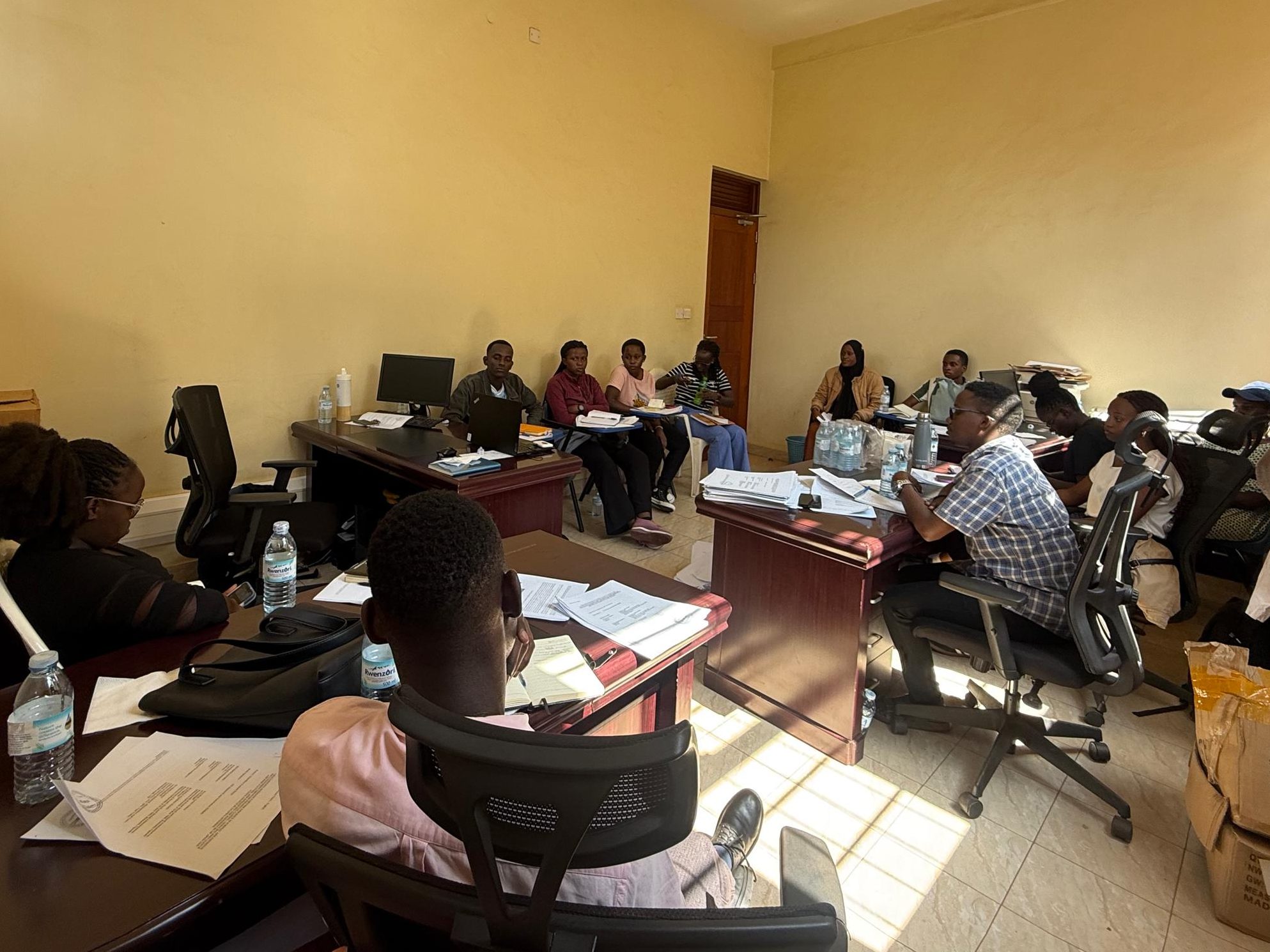
Some came back laughing at the unexpected questions they were asked; others arrived with long lists of suggestions for clarifying or translating difficult terms. A debrief session gave everyone the chance to share what worked and what didn’t, and by the end of the day, we had tools that were sharper, clearer, and far more grounded in the realities of the young people we hoped to reach.
On the Road: The Heart of the Work
With the training complete and the tools refined, the teams dispersed across Uganda. Over the weeks that followed, they collected:
- A large-scale survey with around 3,072 young people, aged 15–24
- 56 in-depth interviews with young people and community stakeholders
It was ambitious, and yet the field teams rose to the challenge with energy and dedication.
In the upcountry districts, enthusiasm was high from the start. Young people were eager to participate, often gathering in small groups and asking questions long after the formal sessions ended. Many spoke openly about their relationships—what they hoped for, what worried them, and what they wished adults understood.
In Kampala and Wakiso, the pace was different. Parents of younger participants—especially those aged 15–17—wrestled with concerns about giving consent. Some were hesitant when they learned the study did not offer immediate benefits. These conversations reminded us how crucial parental trust is and how much care is needed when working in urban settings where daily pressures look different.
Across all eight districts, the researchers noticed a shared thread. Whether in a bustling city centre or a quiet rural village, young people lit up when they heard about the digital game we are creating. “A game about relationships?” many asked with a smile. “Can we play it now?” Their excitement was a powerful confirmation that the game could become a tool they genuinely want to engage with—not just something we hope they’ll use.
What We Heard
Beyond numbers and transcripts, what we gathered was a mosaic of voices that were honest, complex, and deeply human.
A few impressions stood out:
- Young people are eager to talk about relationships when given a safe, respectful space.
- Many face situations they feel unprepared for, and they are keen for guidance that doesn’t feel like a lecture.
- Community leaders repeatedly emphasised the need for better education around healthy relationships.
- And perhaps most encouragingly, young people believe in the potential of tools, like the game we’re building, to help them navigate their world.
These early reflections, woven across thousands of conversations, will be the foundation of the game’s narrative and design.
What Happens Next
Now that data collection is complete, the work shifts into its next phase. The transcripts, more than 25 uploaded so far, with more on the way, are being reviewed, translated, and prepared for analysis. The themes emerging from young people’s stories will help shape everything: the characters, the dialogue, the scenarios, and the paths players can take in the digital game.
This evidence-informed approach ensures that the game is not simply for young people but is rooted in their lived realities and shaped by their voices.
Soon, these insights will feed into co-design workshops where young people and partner organisations will help guide the game’s direction. And after that, the development team will begin building the first playable prototypes.
Looking Back—and Forward
Work Package 2 was more than a research phase. It was an opportunity to show young people that their experiences matter and that they can directly shape the interventions designed to support them.
The journey through Uganda over these months reminded us of the power of listening. It reminded us that young people want tools that resonate with their day-to-day lives, that communities want better resources to support them, and that real change begins with understanding.
With this foundation in place, we move confidently into the next stage of the INIFIRES project and we will carry with us the voices, stories, and hopes of the young people who shared their time, their trust, and their truth with us.
 INIFIRES