
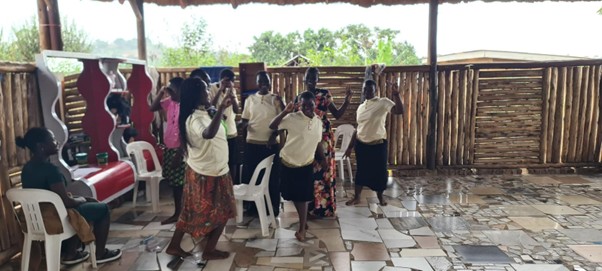
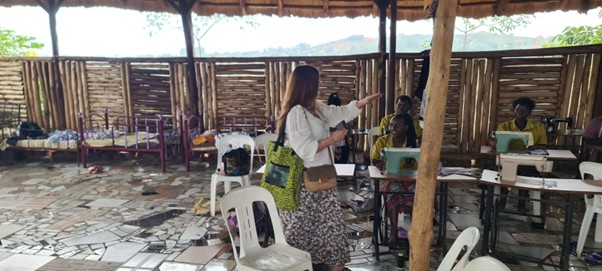
During our UK team visit to Uganda, we engaged with over 20 stakeholders across two NGO sites—GWED-G in Gulu and Fortress in Kampala/Wakiso—to explore the drivers, challenges, and community responses to intimate partner violence (IPV) and gender-based violence (GBV).

Key Themes Identified Across Both Sites:
- Limited awareness and access to services: Communities lack information on human rights, referral pathways, and GBV support systems.
- Barriers to justice: Long distances to service points, corruption, and bureaucratic delays hinder survivors’ access to justice.
- Economic vulnerability: High poverty levels contribute to harmful practices such as early marriage and girls being viewed as income sources.
- Cultural and social norms: Harmful traditions, patriarchal attitudes, and resistance to gender equality perpetuate violence and stigma.
- Family and peer dynamics: Poor parenting, broken families, peer pressure, and child-headed households increase vulnerability.
- Mental health and substance abuse: These were identified as contributing factors to both perpetration and victimisation.
- Resource constraints: NGOs face financial limitations and are often expected to fill gaps left by under-resourced government services.
- Community expectations: There is a need for visible benefits and incentives for community members participating in programmes.
Recommendations from Stakeholders:
- Develop community- and school-based interventions that are inclusive, empathetic, and family-oriented.
- Increase awareness and prevention efforts, especially in rural and low-literacy areas, using accessible formats and male role models.
- Establish technology hubs and leverage popular platforms (e.g., sports viewing spaces) to disseminate information.
- Strengthen government accountability and ensure sustainable support for frontline NGOs.
These consultations provided valuable insights into the lived realities of vulnerable communities and the systemic challenges faced by organisations working to address GBV and IPV in Uganda.
 INIFIRES